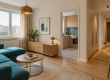
Life in the modern home no longer revolves around the traditional layout of rooms. In the era of hybrid work and shared daily life, our homes must fulfill three roles simultaneously: a productive office, a peaceful family haven, and a safe sanctuary for pets.
The key to managing this chaos is not more square footage, but intelligent and functional zoning. Here’s how to rethink your space through the concept of “emotional zoning” – a design that tells your nervous system exactly when it’s time to work, when to rest, and when to play.
 1. Emotional Zoning: Beyond Physical Walls
The traditional “kitchen-living room-bedroom” division is giving way to zones based on states of mind: focus, relaxation, socialization, and play. When working parents, children, and a dog or cat live in one home, visual and acoustic separation is critical.
-
Acoustic Comfort for Home Office: Working from the living room sofa is a recipe for quick burnout. Invest in a workspace with added sound insulation in the walls and a solid (dense) door instead of an interior hollow-core door.
-
Sensory Transitions: To help your brain “switch off” from the workday, use transitional textures or a slight change in flooring (e.g., transitioning from natural hardwood to a plush organic wool rug).
2. The Work Zone (Home Office): Productivity Without Sacrificing Solitude
Two desks in one room often lead to conflicts during online meetings. Functional design requires micro-zoning:
-
Orientation Towards Light: Position desks so natural light falls from the side to avoid screen glare. Built-in hidden lighting that automatically adjusts to the time of day (circadian lighting) keeps energy levels high.
-
Hidden Technology: The modern home hides cables. Integrate furniture with built-in USB-C ports and wireless charging stations directly into countertops to eliminate visual clutter that cats (and children) love to attack.
3. Pet Zone (Pet Design): Integration, Not Just a Dog Bed
In recent years, pet design has become an integral part of high-end architecture. We are no longer talking about plastic bowls on the floor, but “integrated pet design”.
| Home Zone | Functional Solution for Pet | Benefit for the Family |
|---|---|---|
| Entryway / Hallway | Washing area (Mudroom) with a low shower | Easy paw cleaning before entering the clean area. |
| Kitchen / Island | Built-in niches for food bowls at the base of cabinets | Eliminates the risk of tripping and water spills. |
| Living Room | Cat trees and shelves integrated into shelving units | The cat has its own vertical space without taking up floor space. |
-
Durable Materials: Forget delicate damasks. Choose high-performance fabrics that are scratch-resistant, stain-resistant, and don’t trap hair. Removable and washable upholstery covers are mandatory.
4. The Family Zone: Balance Between Togetherness and Personal Space
Open-plan spaces are still popular, but they require definition to avoid looking cluttered.
-
Flexible Partitions: Use sliding glass doors with black frames or acoustic panels like “Japanese screens”. They allow light to pass through but block noise from children’s play while you’re having an important conversation.
-
Multifunctional Furniture: Modular sofas that can be reconfigured for movie night or hosting guests give the family the freedom to change the space in minutes.
The 2026 Designer’s Advice
“Successful functional design does not seek to hide the life in the house, but to channel it properly. When every being at home – from the working parent to the cat – has its defined ‘micro-territory’, the interior begins to work in service of your mental health.”
Investing in quality zoning is an investment in family peace. Instead of cosmetic renovations, start by analyzing your daily habits and opt for materials that age beautifully and withstand the dynamics of modern life.
Frequently Asked Questions (FAQ)
-
How can I isolate noise in a shared space without renovations?
Use heavy floor-to-ceiling textile curtains, thick rugs, and bookshelves filled with books – they act as excellent natural sound absorbers.
-
What are the best flooring options for dogs and children?
High-quality three-layer parquet with scratch-resistant matte lacquer or high-grade LVT (Luxury Vinyl Tiles), which are 100% waterproof and warm to the touch.