Interior design is constantly shifting, reflecting evolving lifestyle habits, technological innovations, and global sustainability standards. Here are the defining interior design trends shaping modern spaces today, along with the aesthetics that are officially phased out:

What is In: Modern Trends
1. The Organic Modern Style
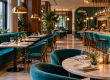
This dominant aesthetic seamlessly merges sleek, clean contemporary lines with raw, natural materials like warm timber, unpolished stone, and lush indoor plants. The Organic Modern style strikes a flawless, sophisticated balance between structural minimalism and warm, lived-in comfort.
2. Japandi Interior Design
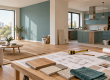
A beautiful, highly functional fusion of traditional Japanese minimalism and Scandinavian warmth. This cross-cultural layout design heavily prioritizes spatial serenity, multi-functional simplicity, and a grounding palette of soft, muted earth tones.
3. Sustainable Home Decor and Green Architecture
Eco-friendly building materials and energy-efficient spatial planning are experiencing unprecedented demand. Prime examples include reclaimed or FSC-certified wood, custom furniture crafted from circular, upcycled raw materials, and non-toxic, low-VOC interior paints.
4. Personalized Maximalism and Eclectic Styling
Daring, saturated color schemes, playful pattern mixing, and highly customized decor pieces are rapidly overtaking the strict, cold minimalism of previous decades, allowing homeowners to confidently showcase their individuality.
5. Flex-Rooms and Multi-Functional Layouts
Driven by the global shift toward hybrid work environments, the core focus of spatial engineering has moved to creating versatile rooms. This includes dedicated home offices that mask as guest rooms, and smart architectural layouts that utilize transforming furniture.
What is Out: Outdated Styles
1. Heavy Modern Victorian Aesthetics
Overly ornate, hyper-decorated, and faux-opulent historical replications are officially being replaced by a strong preference for streamlined silhouettes, ergonomic profiles, and authentic, organic materials.
2. Rigidly Themed and Over-Styled Spaces
Strictly stylized spaces that sacrifice everyday family functionality and human comfort for the sake of looking like a static catalog page have entirely lost their appeal.
3. Sterile, All-White Interior Spaces
Monochromatic, clinical all-white rooms have fallen out of favor. They have officially made way for rich, warm neutral tones and deep, comforting earth palettes that instantly establish an inviting, cozy atmosphere.
4. Matching Showroom Furniture Sets
Buying uniform, identical furniture sets straight out of a singular catalog page is a massive design faux pas. Modern curation favors mixing distinct eras, custom textures, and vintage heirloom accents that reflect a bespoke, collected-over-time narrative.
Moving forward, forward-thinking interior design places long-term sustainability, spatial wellness, and authentic self-expression above all else. By strategically refreshing your residential properties with these high-end movements, you will achieve a strikingly modern yet beautifully timeless living environment.